




Outline for Winter Vegetable Salad
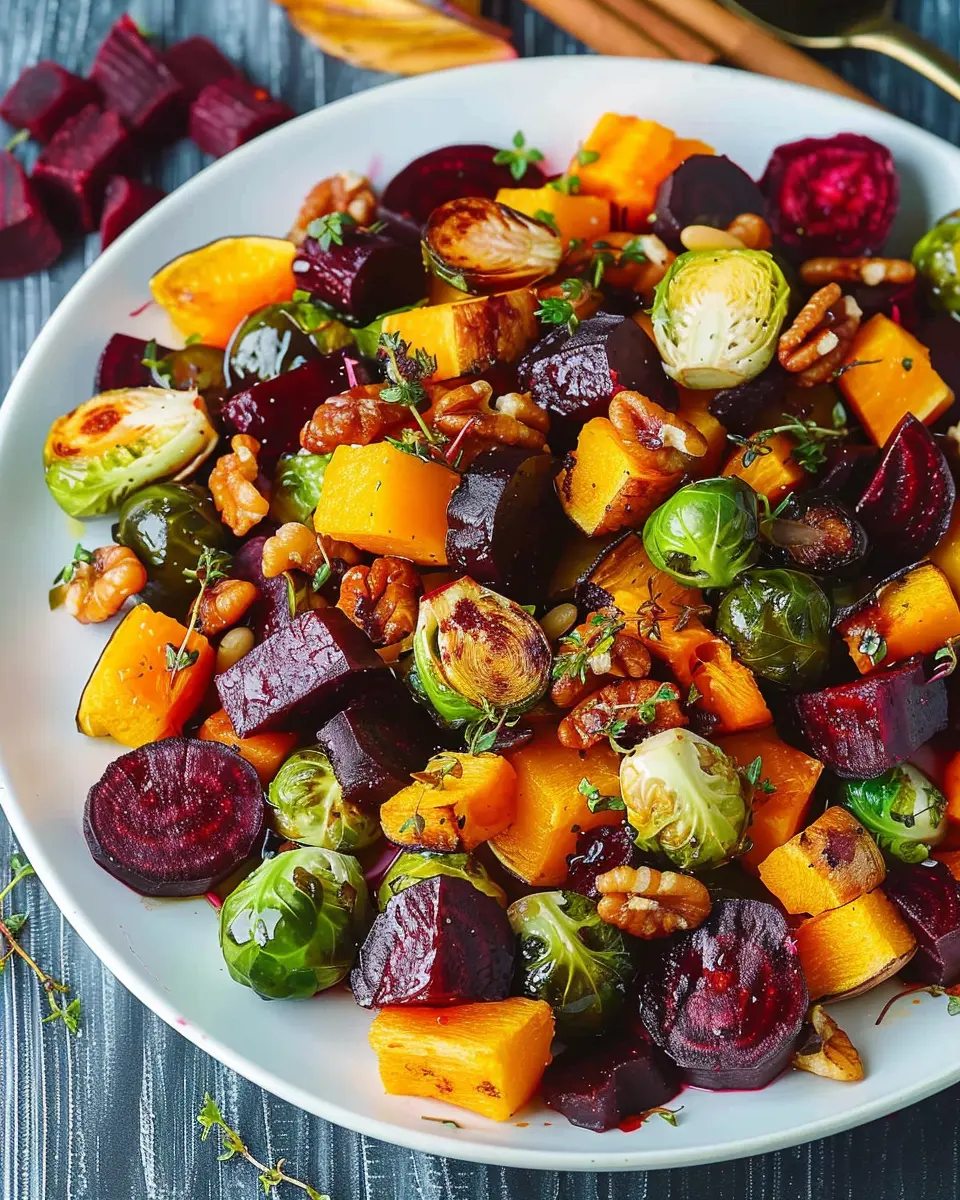
Winter is the season of hearty vegetables, vibrant colors, and cozy flavors. In this section, we’re diving deep into creating a winter vegetable salad that shines a spotlight on nourishing ingredients like butternut squash, Brussels sprouts, and beets. These vegetables not only provide a feast for the eyes but are also packed with nutrients invaluable during colder months. How can you make your meal both delightful and nutritious? With the right guidance, whipping up this salad will feel like second nature.
Understanding the Ingredients
The stars of our show—butternut squash, Brussels sprouts, and beets—each bring their unique flavor profiles and textures, making them ideal for a winter vegetable salad. Here’s a brief rundown of why they should be on your grocery list:
-
Butternut Squash: Sweet and nutty, this squash is rich in vitamins A and C, and its creamy texture can elevate any dish. Roasting it brings out its natural sweetness, which pairs beautifully with the earthiness of beets.
-
Brussels Sprouts: Often misunderstood, Brussels sprouts are incredibly versatile. When roasted, they develop a delicious caramelized exterior that complements their slight bitterness. They’re also filled with fiber and vitamin K, making them a powerhouse for your health.
-
Beets: These vibrant root vegetables bring color and a hint of earthiness to the table. They are rich in antioxidants and essential nutrients like folate, making them a fantastic addition to any salad.
If you’d like to dive deeper into the nutritional benefits of these vegetables, check out Healthline’s guide on seasonal produce.
Adding Protein and Crunch
While the three primary ingredients are robust enough to stand on their own, adding protein can make this winter vegetable salad more satisfying. Consider including:
-
Turkey Bacon: Adding a savory component, turkey bacon brings a satisfying crunch without overwhelming the dish’s healthy elements.
-
Chicken Ham: If you prefer a milder flavor, chicken ham could be a delightful and lean addition that complements the earthiness of the veggies.
For vegetarian options, you might substitute with roasted chickpeas or some toasted nuts like walnuts, which provide a delightful crunch and additional nutrients.
Choosing the Right Dressing
A winter vegetable salad deserves a dressing that complements its rich flavors without smothering them. A homemade vinaigrette often works wonders. Here are a couple of ideas for delicious dressings:
-
Citrus Vinaigrette: Combine freshly squeezed lemon juice or orange juice with a touch of honey, Dijon mustard, and olive oil. This light dressing will leave your salad fresh and zesty.
-
Maple Mustard Dressing: Mix pure maple syrup, whole-grain mustard, and a splash of apple cider vinegar for a tangy-sweet glaze that pairs beautifully with roasted vegetables.
Remember, a good rule of thumb is to dress your salad sparingly. You can always add more if needed, but it’s difficult to take away once it’s done!
Preparation Instructions
Let’s get down to the nitty-gritty of how this salad comes together. Though it looks and tastes gourmet, preparation can be quite simple. Here’s how to do it:
-
Prep Your Vegetables: Start by peeling and cubing the butternut squash. Trim the Brussels sprouts, removing any yellowed leaves. Slice the beets into rounds or wedges.
-
Roasting: Preheat your oven to 400°F (200°C). Toss your butternut squash, Brussels sprouts, and beets in olive oil, salt, and pepper. Spread them out on a baking sheet and roast for around 25-30 minutes, or until fork-tender and caramelized. This will bring out their deep flavors and add that irresistible roasted quality to your winter vegetable salad.
-
Cook Your Protein: While the veggies are roasting, prepare your turkey bacon or chicken ham. If using bacon, cook until crispy, then crumble. For chicken ham, simply chop it into bite-sized pieces.
-
Mix and Assemble: In a large bowl, combine your roasted vegetables and protein. Drizzle with your desired dressing and toss gently to coat everything.
-
Serve: You can either serve this warm or allow it to cool to room temperature. Both options have their charm!
Making It Your Own
One of the best features of a winter vegetable salad is its versatility. You can customize it according to your preferences and what you have on hand. Here are some ideas to mix things up:
-
Grains: Adding quinoa or farro can bolster the salad’s nutritional profile and make it more filling.
-
Cheese: A sprinkle of feta or goat cheese can bring in creaminess and a tangy flavor that contrasts beautifully with the roasted vegetables.
-
Dried Fruits: Consider tossing in some dried cranberries or sliced apricots for a pop of sweetness to balance the earthy tones of the salad.
Seasonal Pairings
To truly make the most out of your winter vegetable salad, consider pairing it with seasonal dishes. Some ideas include:
-
Grilled Chicken or Salmon: These proteins will elevate your meal without overshadowing the star of the show—the salad itself.
-
Warm Quiche or Frittata: The lightness of an egg dish provides a nice balance and can make for an elevated brunch option.
Conclusion: Celebrating Seasonal Flavors
By embracing the flavors and textures of winter produce, you create not only a visually stunning but also a nutrient-dense winter vegetable salad. Your body will thank you for it, especially during the chilly months when fresh vegetables might feel sparse.
So, gather your ingredients, try your hand at this recipe, and enjoy the delightful combination of flavors as you share this salad with friends or enjoy it as a nourishing solo meal. Do you have any favorite winter vegetable combinations? Let us know in the comments or tag us on social media when you try this recipe out!
This salad isn’t just a dish; it’s a celebration of what winter has to offer. With a bit of creativity and a touch of personalization, you’ll find that making a winter vegetable salad is not only fulfilling but also a great way to warm up during the cold season!
Introduction to Winter Vegetable Salad
Why Embrace Winter Salads?
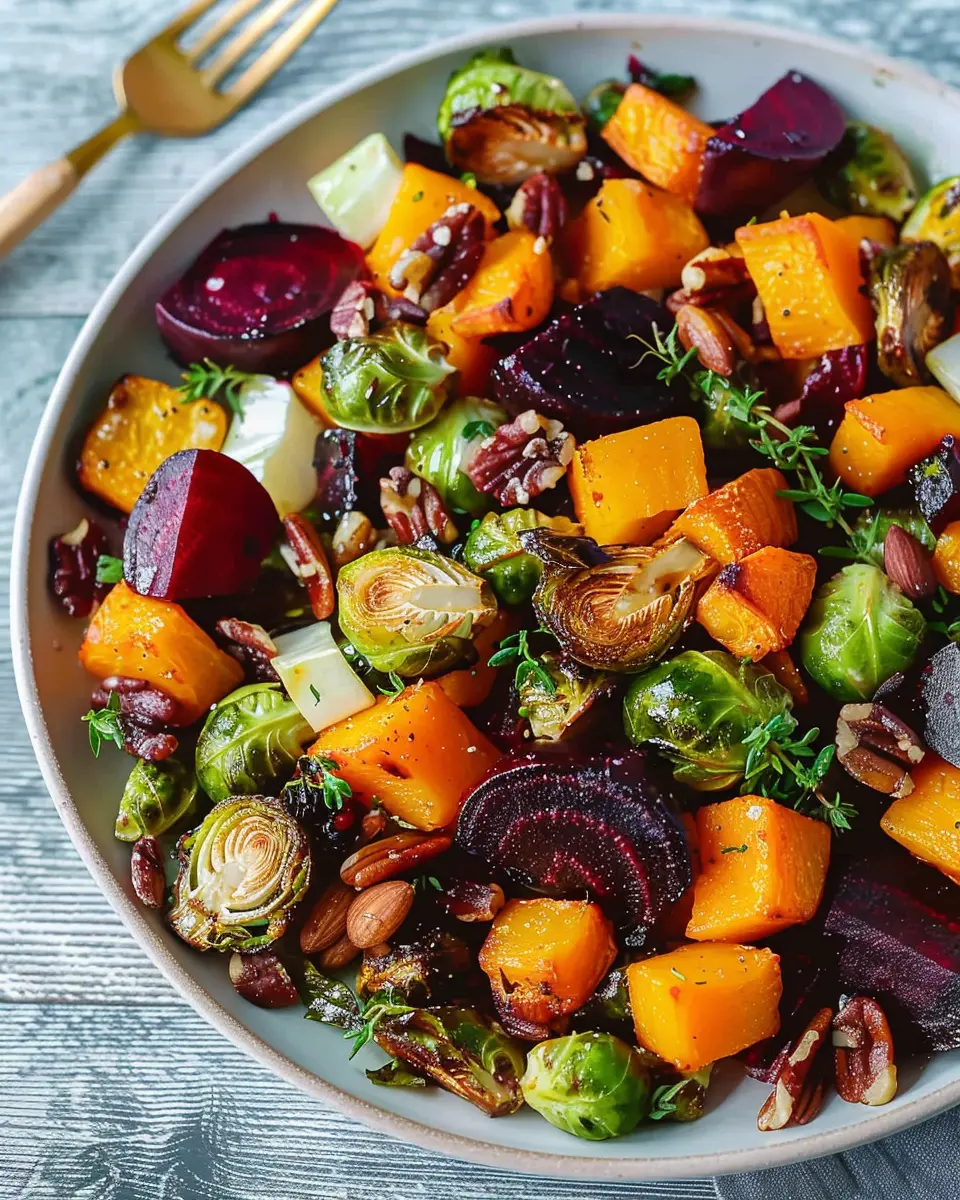
When you think of winter meals, cozy casseroles and hearty stews might come to mind. But let’s not forget about winter vegetable salads! This season offers a bounty of colorful veggies just waiting to brighten up your plate. Incorporating salads into your winter diet not only adds essential nutrients but is also a refreshing contrast to heavier dishes. Plus, with ingredients like roasted butternut squash and Brussels sprouts, you can create a delightful warm salad that’s perfect for those chilly nights.
Celebrating Seasonal Ingredients
Winter produce is often undervalued. Ingredients like beets, turnips, and kale are more than just winter staples—they are nutrient-rich and bursting with flavor. By embracing seasonal ingredients, you’re not only eating fresher but also supporting local farmers and reducing your carbon footprint. Check out this resource on seasonal eating for more ideas on what to include in your winter meals. Incorporating elements like Turkey Bacon or Chicken Ham can also add satisfying textures and flavors that make a winter vegetable salad truly shine.
The Benefits of Homemade Food Over Fast Food
In a busy world, it’s tempting to opt for quick fast food, but have you considered the advantages of preparing your own meals? Homemade food allows you to control the ingredients, ensuring you’re fueling your body with wholesome goodness. For example, making a winter vegetable salad yourself not only enhances your culinary skills but also helps you save money and enjoy healthier portions. Plus, there’s something truly satisfying about creating a meal from scratch that you can’t get from a drive-thru. Transitioning to homemade options can contribute to a healthier lifestyle—research from the Harvard School of Public Health highlights how home-cooked meals can reduce the risk of chronic diseases.
As you dive into crafting this winter vegetable salad, embrace the vibrant flavors and nourishing benefits of the season. You’ll be surprised at how much warmth and joy a salad can bring to your winter table!
Ingredients for Winter Vegetable Salad
Fresh winter vegetables
A delightful winter vegetable salad comes to life with a vibrant array of seasonal produce. For this recipe, you’ll want to gather:
- Butternut squash: Cut into cubes for a sweet and nutty flavor.
- Brussels sprouts: Shredded or halved to add a crunchy texture.
- Beets: Roasted or boiled, these earthy roots bring a splash of color and health benefits.
- Kale or spinach: For a hearty green base that stands up well against the roasted veggies.
These ingredients not only create a hearty salad but also pack in essential nutrients. If you’re looking for more winter vegetable inspiration, check out the USDA’s Seasonal Produce Guide.
Dressing options
When it comes to dressing your salad, you have a wealth of options! A simple lemon vinaigrette complements the roasted veggies beautifully. Alternatively, a balsamic reduction adds a sweet tang, while a tahini dressing provides a creamy, nutty finish.
Optional toppings for added crunch
To take your winter vegetable salad to the next level, consider adding some satisfying crunch with toppings like:
- Pumpkin seeds or sunflower seeds: A wonderful source of healthy fats and protein.
- Turkey bacon bits: Crispy bits for that salty, savory goodness.
- Chopped nuts: Almonds or walnuts work wonders for added texture.
These additions not only enhance the flavor but also contribute to a balanced meal. Happy salad-making!
Preparing Winter Vegetable Salad
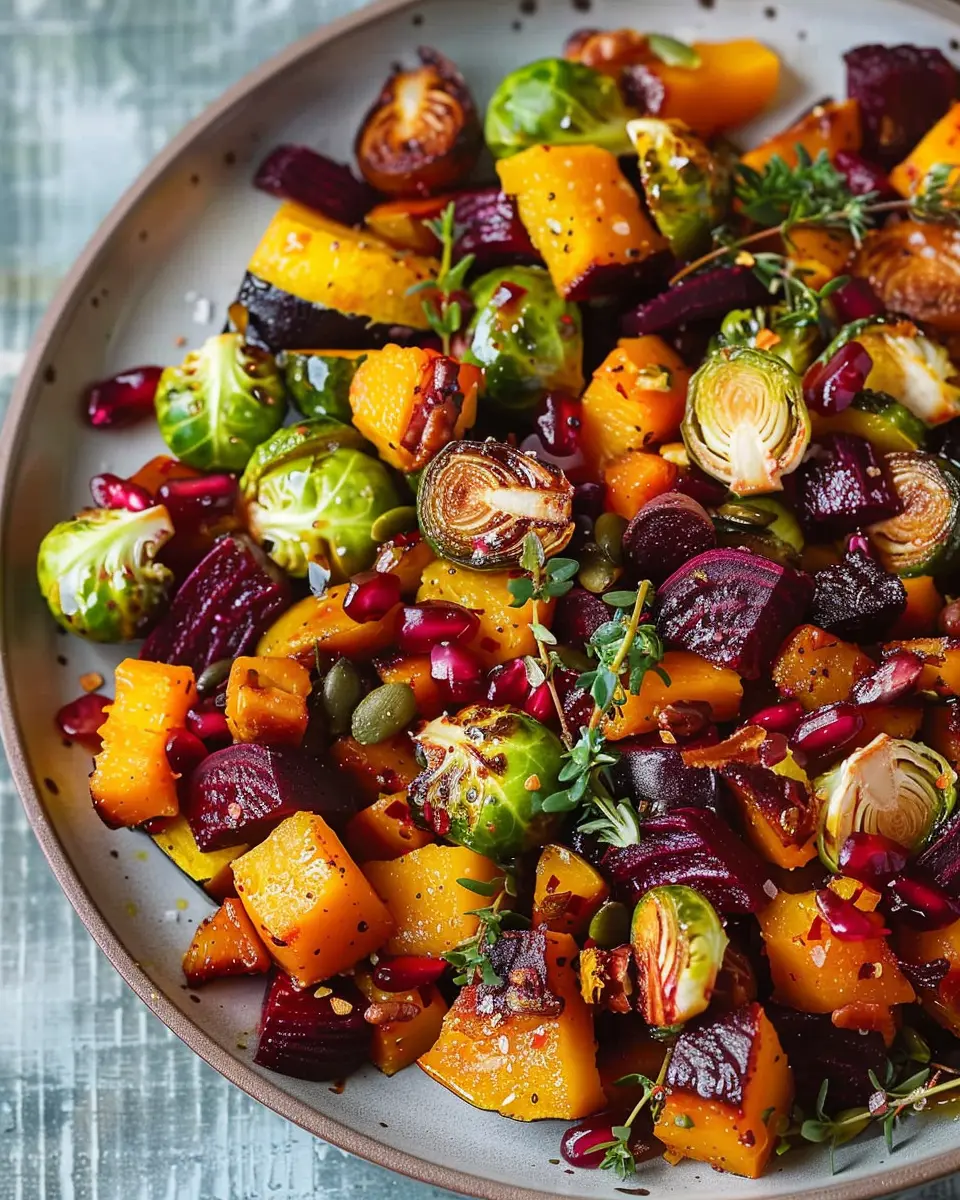
Winter is the perfect season for heartier, nutritious dishes, and what better way to celebrate the bounty of colder months than with a vibrant winter vegetable salad? Featuring roasted Brussels sprouts, sweet butternut squash, and earthy beets, this salad not only tastes delicious but also warms the soul. Let’s dive into the simple steps to prepare this delightful dish.
Roast the Brussels Sprouts
First and foremost, start with the Brussels sprouts. This little cruciferous vegetable packs a punch of flavor when roasted. Here’s how to get them nice and crispy:
- Preparation: Preheat your oven to 400°F (approximately 200°C). While the oven heats up, trim the ends of the Brussels sprouts and slice them in half. This allows for better roasting and more caramelization.
- Seasoning: Place them in a large bowl, drizzle with olive oil, and sprinkle with salt and pepper. For a flavorful twist, you could also toss in minced garlic or lemon zest for a refreshing bite.
- Roasting: Spread the Brussels sprouts evenly on a baking sheet, cut side down. Roast them in the preheated oven for about 20-25 minutes. You want them golden brown and tender on the inside. You can check their readiness by piercing them with a fork.
Wouldn’t it be amazing to serve perfectly roasted Brussels sprouts that are not only nutritious but also tasty?
Roast Butternut Squash to Perfection
Next up, the star of the winter vegetable salad—the butternut squash. Its natural sweetness complements the earthy beets beautifully.
- Preparation: Begin by peeling the squash, cutting it in half lengthwise, and scooping out the seeds. Then, chop it into 1-inch cubes.
- Seasoning: Toss the cubes with a drizzle of olive oil, along with salt and pepper. To enhance the flavors, consider adding a pinch of cinnamon or some dried herbs like thyme.
- Roasting: Spread the squash on another baking sheet, ensuring enough space for each cube to roast properly. Bake for around 25-30 minutes, checking occasionally. You want the edges to caramelize just a bit without getting burnt.
Did you know that butternut squash is rich in vitamins A and C? It’s certainly a great addition to your winter meal plans.
Cook the Beets
Now, let’s move to the beets, which can be prepared in various ways. While roasting is a lovely option, boiling is sometimes quicker and easier.
- Preparation: Start by washing the beets thoroughly to remove any dirt. Trim the tops and roots but be careful not to cut too much—you want to keep the juices in.
- Cooking: You can either roast or boil the beets. If boiling, simply add them to a pot of water and simmer for 45-60 minutes, depending on their size. After boiling, let them cool before peeling. If you prefer roasting, wrap them in foil and roast in a 375°F (190°C) oven for about an hour.
Beets are known for their incredible health benefits, such as promoting heart health and improving athletic performance. Learn more about beets on Healthline.
Toast the Pecans for Flavor
No winter vegetable salad is complete without some crunch! Toasting the pecans brings out their natural oils and enhances their flavor.
- Toasting: Place some chopped pecans in a dry skillet over medium heat. Keep an eye on them and stir occasionally—this only takes about 5-7 minutes. You’ll know they’re done when they’re golden and fragrant.
- Optional Additions: To make them even more special, consider tossing them with a bit of maple syrup and sea salt before toasting.
Assemble Your Salad
Once your vegetables are perfectly roasted and the pecans are ready, it’s time to bring everything together.
- Base: Start with a bed of mixed greens or baby spinach, which provide a wonderful freshness and contrast to the roasted vegetables.
- Layers: Add in the roasted Brussels sprouts and butternut squash, followed by the sliced or diced beets. Finally, sprinkle generously with the toasted pecans.
Can you imagine the colors and textures coming together? It truly is eye-catching!
Prepare and Add the Dressing
A great dressing can elevate any salad to new heights. For this winter vegetable salad, a simple vinaigrette works wonders.
- Ingredients: Choose olive oil, balsamic vinegar, Dijon mustard, and a touch of honey (or maple syrup if you prefer).
- Mixing: In a small jar, combine 3 parts olive oil to 1 part balsamic vinegar, a tablespoon of Dijon mustard, and a teaspoon of honey. Shake until well combined and drizzle over your salad.
Feel free to adjust the ratios based on your taste—salad dressing is all about finding that perfect balance!
Remember, salads can be as unique as you are. Don’t hesitate to experiment with other ingredients like feta cheese or pomegranate seeds for extra elevation. Enjoy your meal and the season!
Variations on Winter Vegetable Salad
Adding Protein Options
To turn your winter vegetable salad into a satisfying meal, consider incorporating some protein. Grilled chicken or turkey bacon can elevate your salad, providing a delicious crunch. For a vegetarian twist, try chickpeas or roasted lentils; they not only add substance but also boost the nutritional profile. According to the USDA, legumes are a fantastic source of both protein and fiber, making them a perfect substitute.
Exploring Different Dressings
The dressing is key to bringing all the flavors of your winter vegetable salad together. A simple vinaigrette of olive oil and balsamic vinegar works wonders, but you can experiment with a citrus dressing for a refreshing change. How about a creamy tahini dressing? This nutty addition can complement the sweetness of the butternut squash and beets beautifully. Check out popular food sites like Bon Appétit for inspiration on different dressings that can elevate your salads.
Seasonal Swaps
Don’t hesitate to switch up vegetables based on seasonal availability! While beets and Brussels sprouts are great staples, adding in some roasted carrots or even parsnips can add new layers of flavor. Seasonal produce is not only fresher but also more affordable. In fact, it can make your winter vegetable salad not just delicious but also a whirlwind of colors and textures that entice anyone to dig in.
Get creative with these variations, and enjoy your winter meals with flair!
Cooking Tips and Notes for Winter Vegetable Salad
How to Prepare Ingredients in Advance
Prepping your ingredients ahead of time can transform weeknight cooking into a breeze. Butternut squash, Brussels sprouts, and beets can be washed, peeled, and chopped a day in advance. Store them in airtight containers in the fridge—this way, they’re ready to roast at a moment’s notice. Not only does this save you time, but it also infuses your winter vegetable salad with fresh flavors, as they’ll be at their peak when combined just before serving.
Best Practices for Roasting Vegetables
Roasting vegetables brings out their natural sweetness, making them perfect for your winter vegetable salad. To achieve that coveted caramelization:
- Cut evenly: Uniform pieces ensure even cooking.
- Don’t overcrowd: Leave space on the baking sheet; this promotes even roasting.
- High heat: Aim for around 425°F for a deliciously crispy texture.
Consider experimenting with different spices; a blend of smoked paprika and garlic powder can elevate your dish!
Tips for Making the Salad Vibrant and Appealing
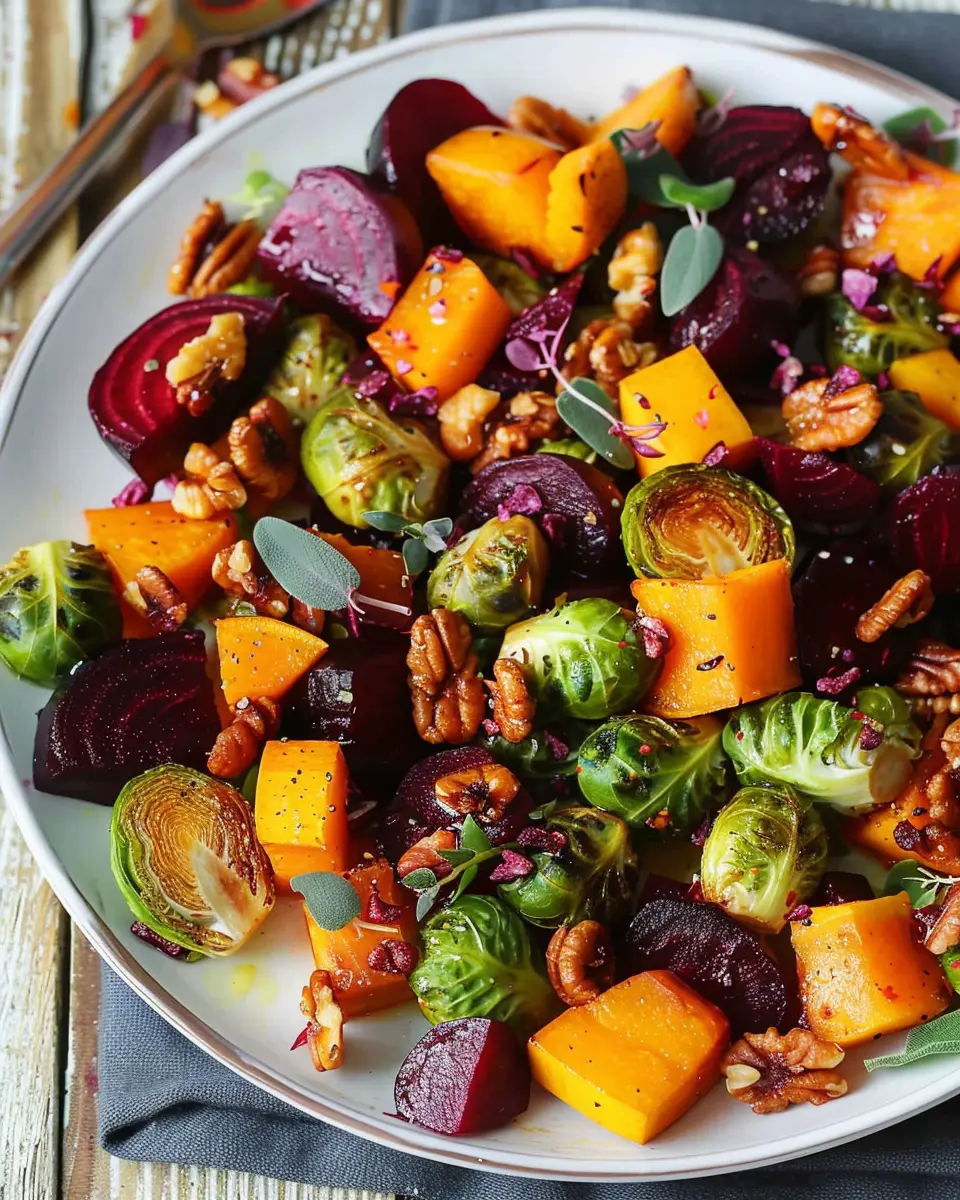
Color is key in a winter vegetable salad. Utilize the natural hues of your ingredients: the rich orange of roasted squash, the deep purples of beets, and the bright greens of Brussels sprouts create a visually stunning dish. Add a handful of mixed greens or arugula for a fresh touch.
To enhance flavor, consider dressing your salad with a zesty vinaigrette made from olive oil and citrus juice. It not only ties everything together but adds a refreshing zing that complements the earthy vegetables beautifully!
For further inspiration, check out seasonal vegetable guides from The Spruce Eats or visit Harvest to Table for tips on selection and storage. Happy cooking!
Serving suggestions for Winter Vegetable Salad
Pairing with Main Courses
This winter vegetable salad beautifully complements a variety of hearty mains. Think roasted turkey or chicken ham for a festive flair. You might also consider pairing it with grilled salmon or a robust beef stew. The earthy flavors of the squash, Brussels sprouts, and beets enhance these proteins, creating a well-rounded plate that’s perfect for cold evenings.
Presentation Ideas for Gatherings
When hosting a winter gathering, make your winter vegetable salad the centerpiece! Serve it in a large, vibrant bowl, garnished with fresh herbs for added color. Consider layering the ingredients in a glass trifle dish for an eye-catching look. Adding candied walnuts or pomegranate seeds can also provide a delightful crunch and a pop of color.
Tactics for Meal Prep and Storing Leftovers
Meal prepping? This salad holds up surprisingly well! Store the dressing separately to keep the veggies crisp. When it’s time to enjoy leftovers, just toss the salad again to refresh its flavors. According to experts, keeping salads in airtight containers can extend their freshness by up to three days. Perfect for lunches throughout the week!
For more tips on healthy eating, check out Healthline for expert advice on meal planning and nutrition.
Time Breakdown for Winter Vegetable Salad
Preparation Time
Preparing your winter vegetable salad is quick and easy! Just set aside about 20 minutes to chop the butternut squash, Brussels sprouts, and beets. This includes washing and peeling them, allowing you to enjoy crisp and fresh veggies in no time.
Cooking Time
Once you’ve prepped, the next step is cooking. Roasting the vegetables typically takes around 30 minutes. This gives them a delightful caramelized flavor while retaining their nutrients.
Total Time
All in all, you’re looking at approximately 50 minutes from start to finish. It’s a fantastic way to create a colorful and nutritious dish that brightens up even the coldest winter days. For more tips on meal prep, check out this guide from Food Network.
Nutritional Facts for Winter Vegetable Salad
Calories per serving
When you enjoy a serving of this winter vegetable salad, you’re looking at approximately 230 calories. This makes it an ideal option for those seeking a nutrient-dense dish that won’t derail your health goals in the colder months. Packed with flavor, this salad is a cozy addition to any meal.
Key vitamins and minerals
The winter vegetable salad delivers a rich variety of vitamins and minerals, crucial for staying energized during winter. With ingredients like butternut squash and beets, you’re getting:
- Vitamin A: Great for vision and immune function.
- C Vitamin: Important for skin health and collagen production.
- Iron: Essential for transporting oxygen in the blood.
Including leafy greens like Brussels sprouts also aids in providing essential nutrients that bolster your overall health. For more on the benefits of winter vegetables, check out this Nutritional Guide.
Fiber content
Fiber is your friend for digestion and satiety, and this winter vegetable salad doesn’t disappoint. Each serving provides about 6 grams of dietary fiber, thanks to the combination of vegetables and optional add-ins like turkey bacon. Incorporating fiber-rich foods can help maintain a healthy gut and even support weight management. If you’re curious about fiber’s benefits, you can find insightful information at the Whole Grains Council.
So, next time you’re looking for a filling, nutritious meal, remember this delicious winter vegetable salad—it’s satisfying, colorful, and loaded with the good stuff!
FAQs about Winter Vegetable Salad
Winter salads are a delightful way to celebrate the season’s hearty produce. If you have questions about preparing this Winter Vegetable Salad with Butternut Squash, Brussels Sprouts, and Beets, you’re in the right place!
Can I make this salad ahead of time?
Absolutely! This winter vegetable salad is perfect for meal prepping. You can roast the butternut squash and Brussels sprouts a day in advance and store them in an airtight container in the fridge. Assemble the salad without the dressing and keep it in the refrigerator until you’re ready to serve. Just add the dressing right before eating to ensure everything stays fresh and crisp.
What are the best substitutes for beets?
If you’re not a fan of beets or simply want to mix it up, there are fantastic alternatives you can try:
- Roasted sweet potatoes: They add sweetness and depth.
- Carrots: Shredded or diced, they offer crunch and color.
- Radishes: For a peppery kick, thinly slice them.
Feel free to customize your salad based on what you enjoy or have on hand.
How do I store leftovers?
Storing leftover winter vegetable salad is straightforward. Keep any uneaten portions in an airtight container in the fridge for up to three days. If you have dressing left over, store it separately to maintain the crispness of the vegetables. Just remember, the fresher, the better!
For more tips and detailed recipes, check out resources from The Spruce Eats or Food Network. Enjoy your salad adventure!
Conclusion on Winter Vegetable Salad
Benefits of Homemade Winter Salads
Creating your own winter vegetable salad not only allows you to customize flavors but also guarantees freshness. Homemade salads can boost your nutrient intake significantly; for instance, consuming a variety of colorful vegetables can improve your vitamin and antioxidant levels. Incorporating vegetables like butternut squash, Brussels sprouts, and beets can support your overall health, as these are packed with dietary fiber and essential nutrients.
Encourage Seasonal Ingredient Experimentation
Don’t limit yourself—experimenting with seasonal ingredients can turn an ordinary dish into something extraordinary. Try adding nuts or seeds for crunch, or swap in your favorite roasted vegetables. Explore local markets for inspiration; who knows, you might discover a new favorite!
Embracing Healthy Eating Habits
Ultimately, embracing fresh, healthy meals, like this delightful winter vegetable salad, can transform your eating habits. Making conscious choices about what goes on your plate makes a significant impact on your health. So, dive into the flavors of winter produce and enjoy not just the meal, but the journey of healthy eating! For more ideas and tips, check out the American Heart Association for guidelines on heart-healthy eating.
PrintWinter Vegetable Salad: Best Butternut Squash, Brussels Sprouts, and Beets Recipe
Enjoy a vibrant and nutritious winter vegetable salad featuring roasted butternut squash, Brussels sprouts, and beets. Perfect for holiday gatherings or a healthy meal.
- Prep Time: 15 minutes
- Cook Time: 30 minutes
- Total Time: 45 minutes
- Yield: 4 servings 1x
- Category: Salad
- Method: Roasting
- Cuisine: American
- Diet: Vegetarian
Ingredients
- 2 cups butternut squash, peeled and cubed
- 2 cups Brussels sprouts, halved
- 1 cup beets, roasted and diced
- 1/4 cup olive oil
- 2 tablespoons balsamic vinegar
- 1 teaspoon salt
- 1/2 teaspoon black pepper
- 1/4 cup feta cheese, crumbled
- 1/4 cup walnuts, chopped
Instructions
- Preheat your oven to 400°F (200°C).
- In a bowl, toss the butternut squash and Brussels sprouts with olive oil, balsamic vinegar, salt, and pepper.
- Spread the vegetables on a baking sheet and roast for 25-30 minutes until tender.
- In a large bowl, combine the roasted vegetables, diced beets, feta cheese, and walnuts.
- Toss gently to combine and serve warm or at room temperature.
Notes
- This salad can be made ahead of time; store the roasted vegetables separately from the dressing until ready to serve.
- Feel free to add your favorite nuts or seeds for extra crunch.
Nutrition
- Serving Size: 1 serving
- Calories: 250
- Sugar: 4g
- Sodium: 300mg
- Fat: 15g
- Saturated Fat: 2g
- Unsaturated Fat: 11g
- Trans Fat: 0g
- Carbohydrates: 30g
- Fiber: 6g
- Protein: 6g
- Cholesterol: 10mg
Keywords: Winter Vegetable Salad, Butternut Squash, Brussels Sprouts, Beets